Wednesday, 19 June 2013

My Wight Life

Here's a little bit about me!

Many of the #Elevensestime crowd know me as @loves2crochetuk some know me as Sarah, to 3 very special little people I am mum. My eldest son is 15, my daughter is 13 (she'd tell you nearly 14 actually and say that there are only 5 days left 'til her birthday but I am holding on to the younger numbers as long as I can) and then there is our new addition who is just 5 months old! So as you can imagine our life is a hectic jumble of teething, exams, friendships, relationships, hair straighteners, football and tons of other stuff too!

I am currently a stay at home mum on maternity leave and seriously hoping to remain that for a while if I can. Unfortunately money might mean that's not realistic.

Things that I love or am proud of! :

  • Watching my babys' face light up when I pull a silly face or make a funny noise at him, watching the wonder in his eyes when he spots something new going on around him!
  • Watching my older 2 with him, seeing that (somehow) they have both turned out to be amazing loving children!
  • Seeing the oldest 2 doing so well at school after I home schooled them both for 8 years!
  • Seeing my partner play and chat with our baby everyday!
  • Spending time with family!
  • Overcoming depression.
  • I love the smell of freshly cut grass, petrol, freshly baked bread, good coffee, early morning, snow days - they do have a smell?!
  • I love every season, for different reasons.
  • Crochet - obviously!
  • Blogging  - not quite so obviously!
I could list things here for ages but I'll stop now before I send you to sleep! 

A Settled Life on The Isle of Wight

I have lived on the Isle of Wight since I was 14 so just over 20 years now, I  haven't always felt settled here but I'm in a good place in life now and happy to be wherever me and my family are. I wonder if moving away from the area I grew up in at 14 is what made me unsettled here in later life? Like everything I had grown up knowing was suddenly not there anymore and I (and my parents) had to start again in a completely different environment to what we had been used to? To be honest that's not something I have seriously thought of until now and I feel its not something I need to over-think either, I am here now and I am very happy so all is good :)
I have recently created a new twitter account @WightHour to help promote local businesses here and the popularity of #wighthour (Mondays 8-9pm) is growing week on week.
One of my items available @
Made on the Isle of Wight
Bullen Road, Ryde, IOW
PO33 1QE
And Online here

I Love to Crochet

My username on twitter is @loves2crochetuk - I had wanted to learn to crochet most of my life, my Nan was a crocheter but not the best teacher! My mum is an excellent knitter - something I can do but don't love. A few years ago I came across a few crochet hooks stashed away in the loft and finally had a go! I have tried many different crafts over the years, lace making, candle making, cross stitch, drawing, knitting but had never taken to any of them.  Crochet is different! I love to crochet. I enjoy making a variety of pieces generally quite modern and fresh looking items that would fit in with most styles. I always use 100% natural high quality yarns.

I blog from time to time (never as often as I intend to!) and it is something I intend to try! to improve on. I actually enjoy writing when I just let myself go a bit! If you have enjoyed this short post by me then I would love you to stop by my blog Loves2Crochet and say hello!

I have been a participant of #elevensestime on twitter for a good few years now, everyone there is so nice and friendly and it is nice to share my morning cuppa with you all :)
Sarah x

Monday, 3 June 2013

Festivals as a Way of Life


It happened a few years ago when I was living in Dublin: I fell in love with the Festival of World Cultures. The following year I was browsing their website and found the volunteer section. Why not give it a go, I thought, and signed up. A few months later Life is a Festival was born. Ever since my first experience as a festival volunteer I’ve been hooked. ‘Festival’ became a magical word for me, a sort of road sign to a place called Being Happy. My new passion was like a favourite piece of clothing, I took it with me everywhere I went. From a jazz festival in New Zealand, a Japanese street festival in Vancouver to a documentary festival in Donegal I worked at any event that intrigued me and absolutely loved it.

Sometimes people ask why I would ‘work for free’. It wouldn’t even occur to me to see volunteering that way. In fact it’s a win win situation for everyone. Festivals get enthusiastic helpers while volunteers get to attend events and often get an exclusive behind the scenes look. At really good festivals (happy to give recommendations) you feel appreciated as a valuable member of the crew. You are a sort of goodwill ambassador for the event and it shows. It helps to have a bit of an altruistic streak and to enjoy meeting new people. Having said that, if you’re more of a shy type, there are usually plenty of alternative opportunities to get involved with a festival.

So you’ve never volunteered at a festival before and aren’t sure if it’s for you? The good news is: it can be done while working a fulltime job, with a family in tow, at any age, if you’re in a wheelchair, do not own a car or are just visiting a new place for a few days. Just follow these steps: 1. Find something that interests you or simply google for upcoming festivals in your area. 2. Do they have a volunteer section on the website? Good. No? Email them anyway and offer your help. It helps to mention that you are friendly, enjoy working with people, are flexible, reliable and punctual. This is what ALL festivals are more or less looking for. 3. You get accepted. Great. You don’t? Ask them to put you on the standby list. A word of warning: give it your all but don’t over commit. Sign up for a reasonable amount of hours that fit into your schedule. Being tired and stressed doesn’t make for a great experience and you do want to have some time to actually attend events. You can always add more shifts later. Let the volunteer coordinator know if you have any special skills or experience and whether there are any artists you’d particularly like to see, but be flexible if you don’t get the exact shifts you are hoping for.


Festivals have become such a lifestyle for me that I stopped doing regular sightseeing a few years ago. Whenever I visit a new country or city I search for community centres, independent bookshops, cultural events, meetup groups for writers, co-working spaces, indie music venues, and libraries and take it from there. What interests me about travelling is how other people live, think and create. Rather than following the well-trodden tourist path, it’s so much more exciting to meet the locals and learn about cutting edge projects, such as a novel writing marathon, a 24 hour film contest or a circus in a rainforest

Festivals are what you make them. They are neither mindless entertainment nor boring lectures, but a living, breathing organism made up of creative people, projects and audiences who are open to learn something new, be amazed and connect with like-minded souls. Some of my best friends are people I met at festivals around the world. It’s not always easy to stay positive when we are constantly bombarded with bad news. Festivals can be a great antidote. They are their own universe, an escape from daily life or, in my case, the start of a completely new way of life. One of my goals when I started writing Life is a Festival was to keep the time between festivals as short as humanly possible and to get others excited about festivals and volunteering in the community. Both are a work in progress and I’m immensely enjoying this beautiful journey I’m on.

What are your favourite festival moments? Let us know in the comments section below. If you have any questions about festival volunteering or festival trips around the world, just drop me a line. I also offer one to one twitter coaching for musicians, writers, artists and other creative people.


Thursday, 23 May 2013

Camping in comfort


There are some people, like my son Matthew, who regard comfort while camping as entirely optional. Then others, such as my friend Ann, say camping in any form should be avoided at all cost by sane adults.

I’m somewhere in the middle.  Camping is a great way to give the kids a fairly cheap trip away, and it does me good to be in the fresh air and away from the work desk. But I’m not a great fan of shivering cold and hungry in a field.  “Holidaying under canvas” is really what I aspire to.

With that in mind, here are a few ideas that help me when we go away.

Tent Doormat
I take a doormat to put just inside the tent. Having this to stand on while changing footwear helps keep some of the grass and mud out of the main tent. I buy them for 80p from Ikea and if they look too grim at the end of a trip I throw them away.


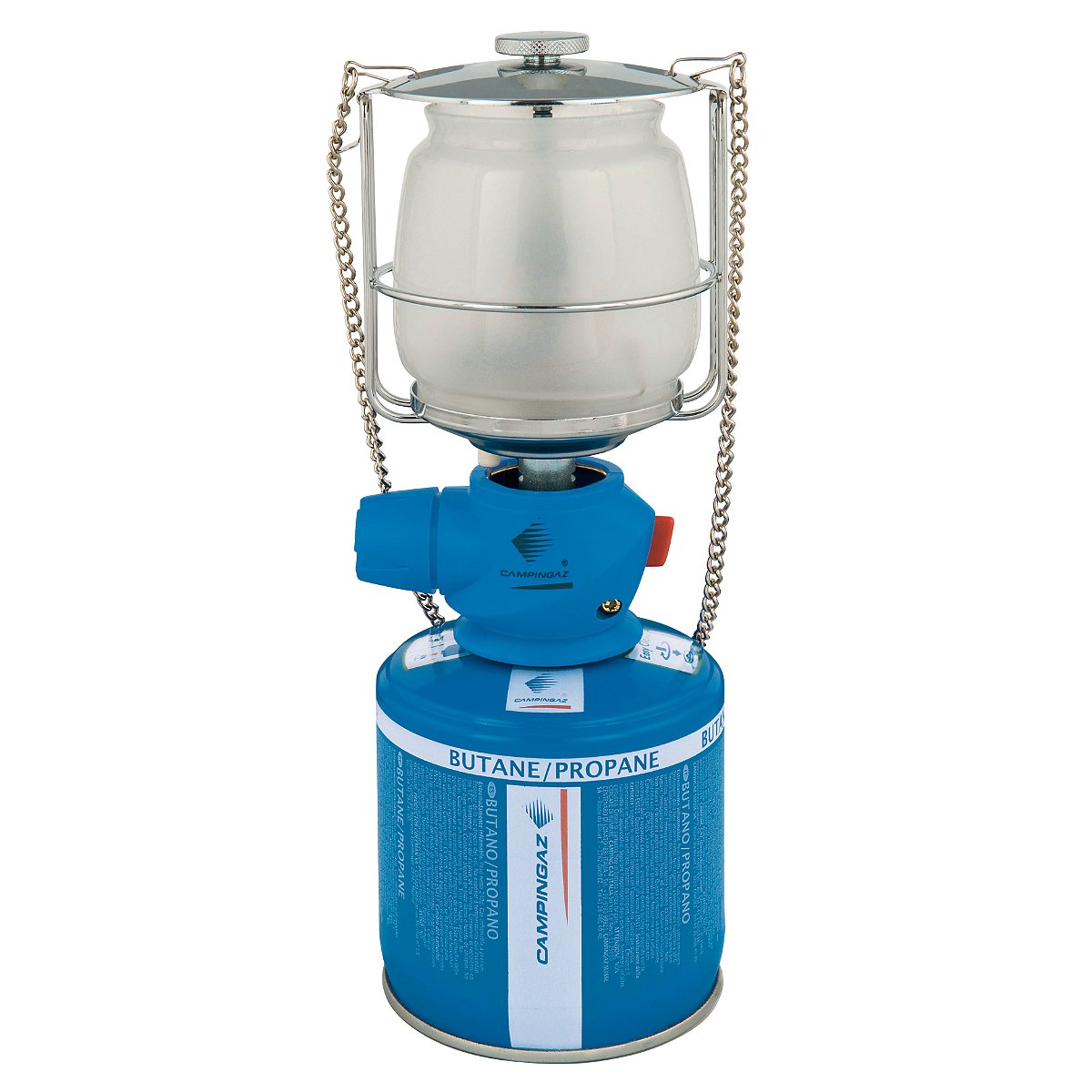
Gas lamp 
I've got various lamps and lights and torches, but my favourite is the gas lamp.  They can be a bit pricey to buy but I've found they throw out a welcome amount of heat, as well as light.  This can be a great advantage in the evenings when it’s starting to get nippy.

Electricity 
An increasing number of campsites are offering an electrical supply for your tent, for a small daily surcharge.  I've been told that’s not “proper camping” but I have no pride when it comes to these things!  You need a special adapter  but with one of these to hand all sorts of wonderful things can now be plugged in – table lamps for reading in bed, a DVD player to keep the kids quiet, a CD player to share your music tastes with the rest of the campsite.  I stayed on one site that offered WiFi, for a noticeable cost, so you could take the laptop and do a bit of work while on holiday - that seemed to be going rather too far even for me!

Beds
Even after several years of camping I've still not settled on a bed I feel comfortable in.  I've tried various different airbeds and roll mats. This year I have bought a camp bed which has little legs to lift you off the ground, so I’ll see if that’s any better.  I don’t really like sleeping bags, as they feel one step away from mummification, so I've got an extra wide sleeping bag, and then I take a duvet as well for the warmth and the comfort.

I am still no expert.  I’d like to have some way to recharge the mobile phones, maybe from an AA battery powered charger.  I know you can get solar powered phone chargers, but the good ones seem awfully expensive. Matt has a wind up phone charger so I should give that a go. He says it takes a good amount of winding to get a trickle of a charge into the phone. Sounds like that is something best left to a younger fitter generation than me.

I also have no clue how to pack a wet tent!

If you've thought about camping but have never finally make the leap maybe some of these ideas might encourage you to give it a go.  And if you have any camping tips do share them in the comments.  Or just tell us what's your favourite Premier Inn :p


I'm a regular on twitter - follow me on @cyteen02 and join in the chat with #elevensestime

Tuesday, 30 April 2013

In Search of the Ultimate Loaf!

Over the past ten years or so, bread has become big business in the UK. A good thing too, for much of what   masqueraded as our daily staple since WWII had increasingly become a poor imitation of the real thing. With a texture not unlike a kitchen sponge and a whole array of chemicals to aid rising and preservation, the heavily processed sliced white loaf is a culinary abomination with minimal nutritional value. Oh, and it tastes of nothing, either, save for the generous quantities of sugar and salt which are added to mask the blandness.

The excessive use of raising agents is the principal reason for the lack of flavour in mass-produced bread. For what these do is to rob the loaves of a key ingredient: time. Whereas an industrial dough is designed to rise as quickly as possible, its home-made counterpart, using a small amount of yeast and left to prove for several hours, will gradually develop complex, appetising flavours thanks to natural processes of fermentation.

Nowhere is fermentation in bread more evident than in sourdough cultures, which use the natural yeasts in the air around us to leaven the dough. As the name implies, sourdough bread can be quite acidic, often with a distinct tang that marks it out from yeast-risen breads. Also, the leavening action of these natural yeasts, in the form of a starter culture, is slower than that of baker's yeasts, which means that plenty of fermentation and thus flavour development takes place before the dough has risen to the required volume.

As sourdough cultures are notoriously capricious, baking a successful loaf of sourdough bread is the Holy Grail of the home baker. Sourdough, moreover, has become so fashionable that the top chefs and restaurants are at it, too, and many are keen to share their tips and recipes. A quick perusal of my kitchen shelves reveals entries on sourdough in cookbooks by Moro, St John, Jamie Oliver, and Locatelli, amongst others. These boast a variety of procedures for creating a sourdough culture, one involving grape juice, and another rhubarb and yoghurt. Some are quite lengthy and intricate, which may be disconcerting to the aspiring sourdough baker.

I have been baking bread off and on for around fifteen years now, and have made many attempts to develop an active and durable sourdough starter. A few times it didn't work at all; on other occasions I managed to bake a handful of decent loaves before the starter seemed to just run out of life. I found the Jamie Oliver technique the simplest and most reliable of the four listed above; he uses rye flour to capture the natural yeasts outside and it only takes five days before you can bake your first loaf. A couple of my very early efforts, which were made with a substantial proportion of rye, were a revelation - quite the tastiest bread I'd eaten. And yet, what had started out with a bang quickly fizzled out with a whimper; no sooner had I taken my eye off the starter than it sulked at me like a petulant teenager, obstinately refusing all I asked of it. I went back to using yeast.

When, therefore, I was given by a relative a small quantity of her sourdough starter, I received it with a mixture of gratitude, excitement, trepidation and resignation. I was under pressure to make sure that this present was not just for Christmas; the responsibility felt like having very small children all over again. Fortunately I had in the meantime acquired the excellent River Cottage handbook on bread, by Daniel Stevens, which I can wholeheartedly recommend to anyone, even more experienced bakers. His section on sourdough is particularly enlightening and I'm sure is the main reason why, four months later, my starter is alive and well in the back kitchen.

So: to my own efforts. What follows is not a detailed recipe or procedure for making sourdough loaves - this can be found elsewhere. Instead I will focus on tips and hints which I've found particularly useful along the way.

The first piece of advice - and a good reason why you should not always be too rigid about recipe timings - is perhaps the most important of all: do not begin the bread-making process until your starter is ready. What is ready? Well, it is hard to define precisely, but if the culture is bubbling and frothing away with a pungent yet not unpleasant smell, then it's probably time. The difficulty here is that you can also leave it for too long. When the natural yeasts have gobbled up all the sugars in the flour, the starter will, like someone after a gargantuan meal, become rather inactive. It will need feeding again to return it to an vigorous state.

At this point I should perhaps take a step backwards and make a note about feeding your starter. A key tip I have picked up only recently is the routine of discarding half the starter and refreshing it with a similar amount of flour and water. Initially I was reluctant to follow this procedure, having been brought up never to waste food, but it really does make all the difference. And if you're baking frequently, you will use the discarded portion for your next loaf. I would also advocate freezing one or two pots of the starter, just in case your main culture does decide to give up the ghost. While we're on the subject, most writers recommend you discard and feed your starter on a daily basis. I have found mine to be so greedy that it actually prefers a twice-daily feed. But you get through a hell of a lot of flour.

When you're confident that your starter is in the right mood, it's time to try a loaf! Since I bought the River Cottage book I have been first making a 'sponge' overnight, which is where you mix your starter with all of the water but only half the flour. By the following morning, this batter should be frothing contentedly and hungry for the rest of the flour and salt. Daniel Stevens advises keeping your dough on the sticky side, and I've found a food mixer very handy for this. But I've also baked without one; you just have to be prepared to get mucky. He also advocates a number of risings, after each of which you gently knock back the dough and reshape it into a round. For the final proving, which can take several hours, I line a tall-sided bowl with a floured cloth, to give the loaf some shape. At baking time, the cloth is carefully lifted from the bowl and the dough transferred to your baking sheet/tin.

Another excellent tip is to ensure the oven is as hot as possible before your loaf goes in to bake. I am currently using a large stainless steel roasting tin for my bread, as it retains the heat and seals the bottom of the loaf, preventing it from sticking. I also make slashes in the dough before putting it in the oven (these should start opening up immediately) and spray the top with water from a plant mister. The fierce heat of the oven should give your dough a final chance to rise (and quite rapidly, too), while the water on the top temporarily inhibits the formation of the crust, thereby extending he rising time in your oven. You should leave the oven at its highest temperature for ten minutes, after which it can be turned down depending on how brown your loaf already looks.

One final piece of advice: do not cut open your loaf until it has fully cooled, which may mean leaving it until the following day. We are easily seduced by the aromas of baking bread, and the temptation to devour a chunk while it is still warm may seem irresistible, but until the crumb has properly settled inside you will just end up with a squashy, albeit delicious mass.

The differences between a regular loaf and a sourdough one should be immediately apparent. Quite apart from the distinctive 'sour' smell and taste, the crumb ought to be much looser with larger holes, while the overall texture of the bread should be springier and less crumbly. Sourdough also lasts longer than other breads, but it is unlikely you'll ever let it get stale.

So how am I getting on? Below you will see two pictures of my most recent attempt at sourdough bread. In the first you can see how the slashes on top of the dough opened up (although not completely), allowing for  more rising. The second shows a cross-section of the bread. The crumb is denser than I am aiming for - some earlier loaves have been more successful in this respect. All in all it's not a bad result, and far better than my previous forays into sourdough bread. But I shall continue to strive for the ultimate loaf and let you all know if and when I get there!

What are your sourdough experiences?

Jamie Bulloch, 30 April 2013 Follow @LoveVirtually on Twitter


Thursday, 23 August 2012

Slapped Wrists and Sodden Paths

I have been struggling, as no doubt many others have, to find enough occasions when my free time coincides with dry weather to enable me to actually do anything productive at the plot. The extremes of weather have given the weeds and crops perfect growing conditions but have also kept us off the soil enough to allow Triffid like revolutions. As a consequence, I received a letter from my association warning of eviction if I didn't remedy the situation on my plot and spend more time working on it.
Now, you could forgive me for thinking that in hard times, when even the professionals are complaining, your friendly association would reach out a hand of support but these pencil squeezers have done the opposite. I can forsee so many plots being abandoned and the loss of many first timers thanks to this lack of sensibility.
I'll will post what I discover but I already know of one young family who will be hard pushed to recover from three consecutive months of flood, drought and tropical storms.
it's sad when the powers that be would rather kick people off than offer leniancy and help.

Sunday, 27 November 2011

I’m Sorry I’ll Misread That Again

Apparently we have a dilemma in this country. We are both starving to death and yet at the same time eating ourselves into the obesityrecord books.
The news about the middle classes turning to food charities and co ops has a major clue in the description: Middle Classes!
Those of us who watch frankly too much television will have noticed the growing trend for arts and crafts, homemade and home grown, even as far as some fools building their own houses (home grown home?) . The overriding thing that sticks out through all of it is the fact that people can afford to mess up, to a certain extent. If you rent your own home, work for just above minimum wage and live on your overdraft limit, packing everything in and starting up as a self sufficient small holder isn’t possible. Making your own Christmas presents with help from the local W.I. isn’t cheap alternative is you’re using silver clay at ‘just £15 per key ring’.
Essentially, those people who are turning to food banks are there because they can’t afford the organic free range farm produced Fennel infused Manuka Honey they are used to, not because the price of Tesco Value Spaghetti Hoops has gone up again.
Surviving a recession isn’t just about changing your budget; it’s about changing your mindset too.
The obesity item has some obvious points but also hides the underlying truths that belie the headlines.
Many older women have worked in dull repetitive jobs, in factories and supermarkets, jobs that involve sitting a lot, repetitive muscle action and until recently almost always allowed smoking as a means of relieving the boredom. As any athlete will know, if you stop using those muscles, however big or strong they are, they will change into fat or loosen up to the point that the skin can’t return to size, resulting a lot of the time in what we commonly call ‘bingo wings’ and more. Legs that have been pressing a machine pedal or over forty years won’t just return to those slim shapely pins of youth.
Add to this the very fact that during their working careers these women are also raising children, often alone. Fast food is getting cheaper and those value hoops are an easy option.
If you can get a few hours each week to take up an exercise class just to vary the muscles you use or a couple of mornings or half days off work each week to prepare and freeze some proper home cooked meals, maybe one day a week to keep an allotment where fresh fruit and vegetables can be grown, there would be less risk of adult obesity.
But why, specifically, are we so high in female obesity?
Simply put, men have more opportunities to jobs with more variety. The wages offered to manual workers on production lines is usually the lowest level. It is often referred to as ‘pin money’ or an extra income to boost the main wage, traditionally from the male earner but much less so now. Factory work such as this is also usually flexible hours which makes it more suitable for workers who have school age children, again traditionally female staff. So, poor diet, repetitive jobs and responsibilities at home are all factors that I believe lead towards high female obesity figures.
Why the United Kingdom?
The United Kingdom was once a world leader in so many fields that involved manual labour. Manufacturing, building, fabric mills, and mining were all jobs which favoured stockier stronger builds. As times changed, populations grew that threw up a genetic dominance for the stronger, shorter person. When those jobs and careers declined, those people stayed and continued to breed. People built to swing heavy hammers and load carts were finding themselves stacking shelves, operating tills and working long shifts in call centres.
Yes, the same changes have happened in other countries, other careers and other cultures but we once ruled an Empire that we fed with those factories are still there but they don’t have such a dominance of fast food or rather unhealthy fast food outlets. They have climates maybe more suitable for outdoor exercise or perhaps it is just that they have a history of better diets.
Anyway, I’m no expert and my views may be so far off track but they are just my views.


Wednesday, 17 August 2011

Indulgent Chocolate Brownies

• 250g unsalted butter
• 200g dark chocolate (70% cocoa solids), crumbled
• optional: 75g dried sour cherries pre-soaked in cherry liquor
• 80g cocoa powder, sifted
• 65g plain flour, sifted
• 1 teaspoon baking powder
• 360g caster sugar
• 4 large free-range or organic eggs

Preheat your oven to 180°C/350°F/gas 4. Line a 25cm square baking tin with greaseproof paper. In a large bowl over some simmering water, melt the butter and the chocolate and mix until smooth. Add the cherries, if you’re using them, and stir together. In a separate bowl, mix together the cocoa powder, flour, baking powder and sugar, then add this to the chocolate and cherry mixture. Stir together well. Beat the eggs and mix in until you have a silky consistency.


Pour your brownie mix into the baking tray, and place in the oven for around 25 minutes. You don’t want to overcook them so, unlike cakes, you don’t want a skewer to come out all clean. The brownies should be slightly springy on the outside but still gooey in the middle. Allow to cool in the tray, then carefully transfer to a large chopping board and cut into chunky squares. These are excellent served with a good strong espresso.


Enjoy!